) The charge brought It is not impossible that some of the Julii may
against her was adultery, and Seneca, the philo- have settled at Bovillae after the fall of Alba.
against her was adultery, and Seneca, the philo- have settled at Bovillae after the fall of Alba.
William Smith - 1844 - Dictionary of Greek and Roman Antiquities - b
2.
§ 2.
) After Agrippa's Her former allowance was diminished and often
death in B. C. 12, Augustus meditated taking a withheld ; her just claims on her father's personal
husband for his daughter from the equestrian estate were disregarded; she was kept in close
order, and C. Proculeius was at the time thought and solita confinement in one house; and in A. D.
likely to have been preferred by him. (Tac. Ann. 14, consumption, hastened if not caused by grief
iv. 39, 40; Suet. Aug. 63; Plin. N. H. vii. 45; and want of necessaries, terminated, in the 54th
Dion Casa. liv. 3 ; Hor. Carm. ii. 2, 5. ) Accord- year of her age, the life of the guilty, but equally
ing, indeed, to one account (Suet. l. c. ; Dion Cass. unfortunate, daughter of the master of the Roman
xlviii. 54, li. 15; Suet. l. c. ), he had actually be world. (Suet. Tib. 50; Tac. Ann. i. 53. ) Macro-
trothed her to a son of M. Antony, and to Cotiso, bius (Sat. vi. 5) has preserved several specimens of
a king of the Getae (Cotiso); but his choice at Julia's conversational wit, and has sketched her
length fell on Tiberius Nero, who was afterwards intellectual character with less prejudice than usu-
Caesar. (Vell. ii. 96 ; Suet. Tib. 7; Dion Cass. ally marks the accounts of her.
liv. 31. ) Their union, however, was neither There are only Greek coins of Julia extant,
VOL. II.
TT
## p. 642 (#658) ############################################
642
JULIA.
JULIA GENS.
a
Cocooooooo
OOCOO
biod
heures
. .
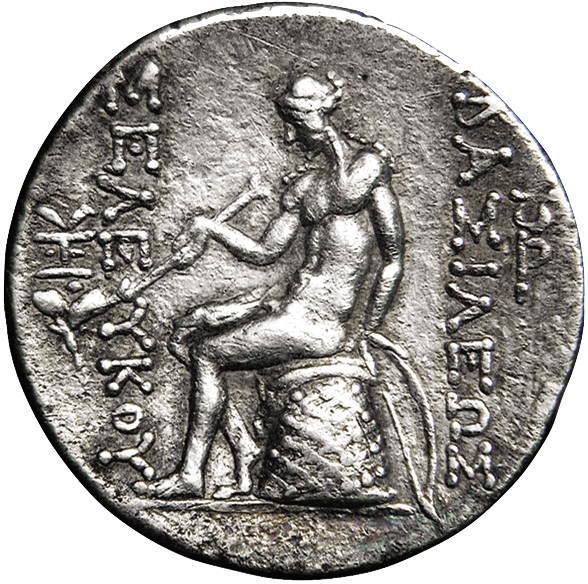
with the exception of denarii, struck by the mo- considered degrading to Julia. She too, like the
neyers of Augustus, bearing on the obverse a bare preceding, incurred the hatred of Messalina, and,
head of Augustus, and on the reverse a garlanded at her instigation, was put to death by Claudius,
head of Julia, having the heads of C. and L. A. D. 59. (Tac. Ann. xiii. 43 ; Dion Cass. lx. 18;
Caesar on either side. The annexed is a Greek Suet. Claud. 29 ; Sen. de Mort. Claud. )
coin, having on the obverse the head of Julia, and 10. A daughter of Titus, the son of Vespasian,
on the reverse that of Pallas.
by Furnilla. She married Flavius Sabinus, a ne-
phew of the emperor Vespasian. Julia died of
abortion, caused by her uncle Domitian, with whom
she lived in criminal intercourse. She was interred
in the temple of the Flavian Gens, and Domitian's
ashes were subsequently placed with hers by their
common nurse, Phyllis. (Suet. Dom. 17, 22;
Dion Cass. Irvii. 3; Plin. Ep. iv, 11. 6; Juv.
Sat. ii. 32 ; Philost. Vit. Apoll. Tyan, vii. 3. )
Several coins of Julia are extant: she is repre-
sented on the obverse of the one annexed with the
legend IVLIA AVGVSTA TITI AVGVSTI F. ; the re-
COIN OF JULIA, DAUGHTER OF AUGUSTUS. verse represents Venus leaning on a column, with
the legend VENVS AVGVST. [W. B. D. ]
7. Daughter of the preceding, and wife of L.
Aemilius Paullus, by whom she had M. Aemilius
Lepidus (Dion Cass. lix. 11 ; Suet. Calig. 24) and
Aemilia, first wife of the emperor Claudius. (Suet.
Claud. 26. ) Less celebrated than her mother,
Julia inherited her vices and misfortunes. For
adulterous intercourse with D. Silanus (Tac. Ann.
iii. 24), she was banished by her grandfather Au-
gustus to the little island Tremerus, on the coast COIN OF JULIA, DAUGHTER OF TITUS.
of Apulia, A. D. 9, where she survived twenty JUʻLIA DOMNA (DOMNA JULIA).
years, dependent on the ostentatious bounty of the JUʻLIA DRUSILLA (DRUSILLA, No. 3].
empress Livia. A child, born after her disgrace, JU’LIA PROCILLA (PROCILLA JULIA).
was, by order of Augustus, exposed as spurious. JUʻLIA GENS, one of the most ancient pa-
Julia died in A. D. 28, and was buried in her place trician gentes at Rome, the members of which
of exile, since, like her mother's, her ashes were attained the highest dignities of the state in the
interdicted the mausoleum of Augustus. (Tac. Ann. earliest times of the republic. It was without
iv. 71; Suet. Aug. 64, 65, 101 ; Schol
. in Juv. doubt of Alban origin, and it is mentioned as one
Sat. vi
. 158. ) It was probably this Julia whom of the leading Alban houses, which Tullus Hostilius
Ovid celebrated as Corinna in his elegies and removed to Rome upon the destruction of Alba
other erotic poems.
Longa, and enrolled among the Roman patres.
8. The youngest child of Germanicus and Agrip- (Dionys. iji. 29 ; Tac. Ann. xi. 24 ; in Liv. i. 30,
pina, was born in A. D. 18. (Tac. Ann. ii
. 54. ) the reading should probably be Tullios, and not
She married M. Vinicius in 33. (Id. 16, vi. 15; Julios. ) The Julii also existed at an early period
Dion Cass. lviii. 21. ) Her brother Caligula, who at Bovillae, as we learn from a very ancient in-
was believed to have had an incestuous inter- scription on an altar in the theatre of that town,
course with her, banished her in a. D. 37. (Dion which speaks of their offering sacrifices according
Cass. lix. 3; Suet Cal. 24, 29. ) She was re- to Alban rites -- lege Albana (Niebuhr, Rom. Hist.
called by Claudius. (Dion Cass. Ix. 4 ; Suet. Cal. vol. i. note 1240, vol. ij. note 421), and their con-
59. ) He afterwards put her to death at Messa- nection with Bovillae is also implied by the chapel
lina's instigation, who envied the beauty, dreaded (sacrarium) which the emperor Tiberius dedicated
the influence, and resented the haughtiness of to the Gens Julia in the town, and in which he
Julia. (Dion Cass. lx. 8; Suet. Claud. 29 ; Zonar. placed the statue of Augustus. (Tac. Ann. ii. 41. )
xi. 8 ; Sen. de Mort. Claud.
) The charge brought It is not impossible that some of the Julii may
against her was adultery, and Seneca, the philo- have settled at Bovillae after the fall of Alba.
sopher, was banished to Corsica as the partner of As it became the fashion in the later times of
her guilt (Dion Cass. l. c. ). She is sometimes called the republic to claim a divine origin for the most
Livilla, and Livia (Suet. Cal. 7, Oudendorp's note distinguished of the Roman gentes, it was con-
ad loc. ). Josephus (Antiq. xix. 4. § 3) makes tended that Iulus, the mythical ancestor of the
Julia to have married M. Minucianus.
race, was the same as Ascanius, the son of Venus
9. Daughter of Drusus (Drusus CAESAR, No. and Anchises, and that he was the founder of Alba
16] and Livia, the sister of Germanicus. She Longa. In order to prove the identity of Ascanius
married, A. D. 20, her first cousin, Nero, son of and Iulus, recourse was had to etymology, some
Germanicus and Agrippina (Tac. Ann. iii. 29; specimens of which the reader curious in such
Dion Cass. lviii. 21), and was one of the many matters will find in Servius (ad Virg. Aen. i. 267;
spies with whom her mother and Sejanus sur comp. Liv. i. 3). The dictator Caesar frequently
rounded that unhappy prince. (Tac. Ann. iv. 60. ) alluded to the divine origin of his race, as, for in-
After Nero's death Julia married Rubellius Blan- stance, in the funeral oration which he pronounced
dus, by whom she had a son, Rubellius Plautus. when quaestor over his aunt Julia (Suet. Caes. 6),
(Tac. Ann. vi. 27, 45, xvi. 10; Juv. Sat. viii. 40. ) and in giving “ Venus Genetrix” as the word to
BLANDUS. ] As Blandus was merely the grand- his soldiers at the battles of Pharsalus and Munda,
son of a Roman eques of Tibur, the marriage was and subsequent writers and poets were ready
## p. 643 (#659) ############################################
JULIANUS.
643
JULIANUS.
.
a
enough to fall in with a belief which flattered the contains seventy-one epigrams which bear his name,
pride and exalted the origin of the imperial family. and in which the author appears as an imitator of
Though it would seem that the Julii first came earlier poems of the same kind. They are mostly
to Rome in the reign of Tullus Hostilius, the name of a descriptive character, and refer to works of art.
occurs in Roman legend as early as the time of Julianus probably lived in the reign of Justinian,
Romulus. It was Proculus Julius who was said for among his epigrams there are two upon Hy-
to have informed the sorrowing Roman people, patius, the nephew of the emperor Anasta-
after the strange departure of Romulus from the sius, who was put to death a. d. 532, by the
world, that their king had descended from heaven command of Justinian. Another epigram is written
and appeared to him, bidding him tell the people upon Joannes, the grandson of Hypatius. (Brunck,
to honour him in future as a god, under the name Anal. ii. 493 ; Jacobs, Anthol. Graec. ii. 195 ;
of Quirinus. (Liv. i. 16 ; Ov. Fust. ii. 499, &c. ) comp. xiii. p. 906. )
Some modern critics have inferred from this, that a 3. Of Caesareia in Cappadocia, was a contem-
few of the Julii might have settled in Rome in the porary of Aedesius, and a disciple of Maximus of
reign of the first king ; but considering the entirely Ephesus. He was one of the sophists of the time,
fabulous nature of the tale, and the circumstance and taught rhetoric at Athens, where he enjoyed a
that the celebrity of the Julia Gens in later times great reputation, and attracted youths from all
would easily lead to its connection with the earliest parts of the world, who were anxious to hear him
times of Roman story, no historical argument can and receive his instruction. It is not known
be drawn from the mere name occurring in this whether Julianus wrote any works or not. (Eunnp.
legend.
Vit. Soph. p. 68, &c. ed. Boisson. , and Wytten-
The family names of this gens in the time of the bach's notes, Ibid. p. 250, &c. )
republic are CAESAR, IULUS, MENTO, and LIBO, 4. A Greek grammarian, who, according to
of which the first three were undoubtedly patrician; Photius (Bibl. cod. 150), wrote a dictionary to the
but the only two families which obtained any ce ten Attic orators, entitled Λεξικών των παρά τοις
lebrity are those of lulus and Caesar, the former in Béka pótopos AÉLEWV kard Otoixelov ; but this,
the first and the latter in the last century of the like other similar works, is entirely lost. Fa-
republic. On coins the only names which we find bricius (Bibl. Gr. vol. vi. p. 245) considers its
are CAESAR and BURSIO, the latter of which does author to be the same as the Julianus to whom
not occur in ancient writers.
Phrynichus dedicates the fourth book of his
In the times of the empire we find au immense work.
(L. S. )
number of persons of the name of Julius ; but it JULIANUS, ANTOʻNIUS, & friend and
must not be supposed that they were connected by contemporary of A. Gellius, who speaks of him as
descent in any way with the Julia Gens ; for, in a public teacher of oratory, and praises him for his
consequence of the imperial family belonging to eloquence as well as for his knowledge of early
this gens, it became the name of their numerous literature. He appears to have also devoted him-
freedmen, and may have been assumed by many self to grammatical studies, the fruits of which he
other persons out of vanity and ostentation. An collected in his Commentarii, which, however, are
alphabetical list of the principal persons of the lost. (Gell. iv. I, ix. 15, xv. 1, xviii. 5, xix. 9,
name, with their cognomens, is given below. (JU- xx. 9. )
(L. S. ]
LIUS. ) (On the Julia Gens in general, see Klau-
JULIANUS, M. AQUI'LLIUS, was consul in
sen, Aeneas und die Penaten, vol. ii. p. 1059, &c. ; A. D. 38, the second year of the reign of Domitian.
Drumann's Rom, vol. iii. p. 114, &c. )
(Dion Cass. lix. 9; Frontin. de A quaed. 13. (L. S. ]
JULJANUS, historical. 1. A Roman general,
JULIA'NUS DI'DIUS. [Didius. ]
who distinguished himself in the war against the
Dacians in the reign of the emperor Domitian.
(Dion Cass. Ixvii. 10. )
2. A distinguished Roman of the time of the
emperor Commodus, who at first highly esteemed
him, and appointed him praefectus praetorio, but
afterwards treated him most disgracefully, and at
last ordered him to be put to death. (Dion Cass.
lxxii. 14 ; Lamprid. Commod. 7, 11. ) (L. S. ] JU’LIANUS, surnamed ECLANENSIS for the
JULIANUS ('lovalavós), literary. I. A Chal. sake of distinction, is conspicuous in the ecclesi-
daean, surnamed Theurgus, i. e. the magician, lived astical history of the fifth century as one of the
in the time of the emperor M. Aurelius, whose army ablest supporters of Pelagius. His father, Memo-
he is said to have saved from destruction by a rius or Memor, who is believed to have presided
shower of rain, which he called down by his magic over the see of Capua, was connected by close
power. Suidas (s. v. ) attributes to him also several friendship with St. Augustine and Paulinus of
works, viz. Seovpyuká, TEREOTIKá, and a collection Nola, the latter of whom celebrated the nuptials of
of oracles in hexameter verse. His pursuits show the son with la, daughter of Aemilius, bishop of
that he was a New Platonist, and it would seem Beneventum, in a poem breathing the warmest af-,
that he enjoyed a great reputation, since Porphy- fection towards the different members of the family.
rius wrote upon him a work in four books, which is Julianus early in life devoted himself to the duties
lost. A. Mai has discovered in Vatican MSS. of the priesthood, and after passing through the
three fragments relating to astrological subjects subordinate grades of reader, deacon, and probably
(Nova Script. Class. Collect. ii. p. 675), and attri- presbyter also, was ordained to the episcopal charge
buted to one Julianus of Laodiceia, whom Mai con- of Eclanum in Apulia, by Innocentius, about a. D.
siders to be the same as Julianus the Magician. 416. No suspicion seems to have attached to his
2. Surnamed the Egyptian, because he was for a orthodoxy until he refused to sign the Tractoria or
time governor of Egypt. The Greek Anthology | public denunciation of Coelestius and Pelagius, for-
De
COIN OP DIDIUS JULIANUS.
TI 2
## p. 644 (#660) ############################################
644
JULIANUS.
JULIANUS.
warded by Zosimus in 418 to the authorities of the The Epistola ad Demetriadem, which really be
Christian church throughout the world. This act longs to Pelagius (PELAGIUS), and the Libellus
of contumacy, in which he was supported by many Fidei, published from a Verona MS. by Garnier,
prelates of Southern Italy and Sicily, was soon 8vo. Par. 1668, have been erroneously ascribed to
followed by the banishment of himself and his ad- Julianus.
herents in terms of the imperial edict Quitting (Gennad. de Vir. Nlust. 45. Every thing that
his native country, he repaired to Constantinople, can be ascertained with regard to Julianus or bis
but being driven from thence, took refuge in Cilicia productions will be found in the dissertations at-
with Theodorus of Mopsuestia, with whom he re- iached to Garnier's edition of Marius Mercator,
mained for several years. In 428 we find him and in the annotations upon those works of St.
death in B. C. 12, Augustus meditated taking a withheld ; her just claims on her father's personal
husband for his daughter from the equestrian estate were disregarded; she was kept in close
order, and C. Proculeius was at the time thought and solita confinement in one house; and in A. D.
likely to have been preferred by him. (Tac. Ann. 14, consumption, hastened if not caused by grief
iv. 39, 40; Suet. Aug. 63; Plin. N. H. vii. 45; and want of necessaries, terminated, in the 54th
Dion Casa. liv. 3 ; Hor. Carm. ii. 2, 5. ) Accord- year of her age, the life of the guilty, but equally
ing, indeed, to one account (Suet. l. c. ; Dion Cass. unfortunate, daughter of the master of the Roman
xlviii. 54, li. 15; Suet. l. c. ), he had actually be world. (Suet. Tib. 50; Tac. Ann. i. 53. ) Macro-
trothed her to a son of M. Antony, and to Cotiso, bius (Sat. vi. 5) has preserved several specimens of
a king of the Getae (Cotiso); but his choice at Julia's conversational wit, and has sketched her
length fell on Tiberius Nero, who was afterwards intellectual character with less prejudice than usu-
Caesar. (Vell. ii. 96 ; Suet. Tib. 7; Dion Cass. ally marks the accounts of her.
liv. 31. ) Their union, however, was neither There are only Greek coins of Julia extant,
VOL. II.
TT
## p. 642 (#658) ############################################
642
JULIA.
JULIA GENS.
a
Cocooooooo
OOCOO
biod
heures
. .
with the exception of denarii, struck by the mo- considered degrading to Julia. She too, like the
neyers of Augustus, bearing on the obverse a bare preceding, incurred the hatred of Messalina, and,
head of Augustus, and on the reverse a garlanded at her instigation, was put to death by Claudius,
head of Julia, having the heads of C. and L. A. D. 59. (Tac. Ann. xiii. 43 ; Dion Cass. lx. 18;
Caesar on either side. The annexed is a Greek Suet. Claud. 29 ; Sen. de Mort. Claud. )
coin, having on the obverse the head of Julia, and 10. A daughter of Titus, the son of Vespasian,
on the reverse that of Pallas.
by Furnilla. She married Flavius Sabinus, a ne-
phew of the emperor Vespasian. Julia died of
abortion, caused by her uncle Domitian, with whom
she lived in criminal intercourse. She was interred
in the temple of the Flavian Gens, and Domitian's
ashes were subsequently placed with hers by their
common nurse, Phyllis. (Suet. Dom. 17, 22;
Dion Cass. Irvii. 3; Plin. Ep. iv, 11. 6; Juv.
Sat. ii. 32 ; Philost. Vit. Apoll. Tyan, vii. 3. )
Several coins of Julia are extant: she is repre-
sented on the obverse of the one annexed with the
legend IVLIA AVGVSTA TITI AVGVSTI F. ; the re-
COIN OF JULIA, DAUGHTER OF AUGUSTUS. verse represents Venus leaning on a column, with
the legend VENVS AVGVST. [W. B. D. ]
7. Daughter of the preceding, and wife of L.
Aemilius Paullus, by whom she had M. Aemilius
Lepidus (Dion Cass. lix. 11 ; Suet. Calig. 24) and
Aemilia, first wife of the emperor Claudius. (Suet.
Claud. 26. ) Less celebrated than her mother,
Julia inherited her vices and misfortunes. For
adulterous intercourse with D. Silanus (Tac. Ann.
iii. 24), she was banished by her grandfather Au-
gustus to the little island Tremerus, on the coast COIN OF JULIA, DAUGHTER OF TITUS.
of Apulia, A. D. 9, where she survived twenty JUʻLIA DOMNA (DOMNA JULIA).
years, dependent on the ostentatious bounty of the JUʻLIA DRUSILLA (DRUSILLA, No. 3].
empress Livia. A child, born after her disgrace, JU’LIA PROCILLA (PROCILLA JULIA).
was, by order of Augustus, exposed as spurious. JUʻLIA GENS, one of the most ancient pa-
Julia died in A. D. 28, and was buried in her place trician gentes at Rome, the members of which
of exile, since, like her mother's, her ashes were attained the highest dignities of the state in the
interdicted the mausoleum of Augustus. (Tac. Ann. earliest times of the republic. It was without
iv. 71; Suet. Aug. 64, 65, 101 ; Schol
. in Juv. doubt of Alban origin, and it is mentioned as one
Sat. vi
. 158. ) It was probably this Julia whom of the leading Alban houses, which Tullus Hostilius
Ovid celebrated as Corinna in his elegies and removed to Rome upon the destruction of Alba
other erotic poems.
Longa, and enrolled among the Roman patres.
8. The youngest child of Germanicus and Agrip- (Dionys. iji. 29 ; Tac. Ann. xi. 24 ; in Liv. i. 30,
pina, was born in A. D. 18. (Tac. Ann. ii
. 54. ) the reading should probably be Tullios, and not
She married M. Vinicius in 33. (Id. 16, vi. 15; Julios. ) The Julii also existed at an early period
Dion Cass. lviii. 21. ) Her brother Caligula, who at Bovillae, as we learn from a very ancient in-
was believed to have had an incestuous inter- scription on an altar in the theatre of that town,
course with her, banished her in a. D. 37. (Dion which speaks of their offering sacrifices according
Cass. lix. 3; Suet Cal. 24, 29. ) She was re- to Alban rites -- lege Albana (Niebuhr, Rom. Hist.
called by Claudius. (Dion Cass. Ix. 4 ; Suet. Cal. vol. i. note 1240, vol. ij. note 421), and their con-
59. ) He afterwards put her to death at Messa- nection with Bovillae is also implied by the chapel
lina's instigation, who envied the beauty, dreaded (sacrarium) which the emperor Tiberius dedicated
the influence, and resented the haughtiness of to the Gens Julia in the town, and in which he
Julia. (Dion Cass. lx. 8; Suet. Claud. 29 ; Zonar. placed the statue of Augustus. (Tac. Ann. ii. 41. )
xi. 8 ; Sen. de Mort. Claud.
) The charge brought It is not impossible that some of the Julii may
against her was adultery, and Seneca, the philo- have settled at Bovillae after the fall of Alba.
sopher, was banished to Corsica as the partner of As it became the fashion in the later times of
her guilt (Dion Cass. l. c. ). She is sometimes called the republic to claim a divine origin for the most
Livilla, and Livia (Suet. Cal. 7, Oudendorp's note distinguished of the Roman gentes, it was con-
ad loc. ). Josephus (Antiq. xix. 4. § 3) makes tended that Iulus, the mythical ancestor of the
Julia to have married M. Minucianus.
race, was the same as Ascanius, the son of Venus
9. Daughter of Drusus (Drusus CAESAR, No. and Anchises, and that he was the founder of Alba
16] and Livia, the sister of Germanicus. She Longa. In order to prove the identity of Ascanius
married, A. D. 20, her first cousin, Nero, son of and Iulus, recourse was had to etymology, some
Germanicus and Agrippina (Tac. Ann. iii. 29; specimens of which the reader curious in such
Dion Cass. lviii. 21), and was one of the many matters will find in Servius (ad Virg. Aen. i. 267;
spies with whom her mother and Sejanus sur comp. Liv. i. 3). The dictator Caesar frequently
rounded that unhappy prince. (Tac. Ann. iv. 60. ) alluded to the divine origin of his race, as, for in-
After Nero's death Julia married Rubellius Blan- stance, in the funeral oration which he pronounced
dus, by whom she had a son, Rubellius Plautus. when quaestor over his aunt Julia (Suet. Caes. 6),
(Tac. Ann. vi. 27, 45, xvi. 10; Juv. Sat. viii. 40. ) and in giving “ Venus Genetrix” as the word to
BLANDUS. ] As Blandus was merely the grand- his soldiers at the battles of Pharsalus and Munda,
son of a Roman eques of Tibur, the marriage was and subsequent writers and poets were ready
## p. 643 (#659) ############################################
JULIANUS.
643
JULIANUS.
.
a
enough to fall in with a belief which flattered the contains seventy-one epigrams which bear his name,
pride and exalted the origin of the imperial family. and in which the author appears as an imitator of
Though it would seem that the Julii first came earlier poems of the same kind. They are mostly
to Rome in the reign of Tullus Hostilius, the name of a descriptive character, and refer to works of art.
occurs in Roman legend as early as the time of Julianus probably lived in the reign of Justinian,
Romulus. It was Proculus Julius who was said for among his epigrams there are two upon Hy-
to have informed the sorrowing Roman people, patius, the nephew of the emperor Anasta-
after the strange departure of Romulus from the sius, who was put to death a. d. 532, by the
world, that their king had descended from heaven command of Justinian. Another epigram is written
and appeared to him, bidding him tell the people upon Joannes, the grandson of Hypatius. (Brunck,
to honour him in future as a god, under the name Anal. ii. 493 ; Jacobs, Anthol. Graec. ii. 195 ;
of Quirinus. (Liv. i. 16 ; Ov. Fust. ii. 499, &c. ) comp. xiii. p. 906. )
Some modern critics have inferred from this, that a 3. Of Caesareia in Cappadocia, was a contem-
few of the Julii might have settled in Rome in the porary of Aedesius, and a disciple of Maximus of
reign of the first king ; but considering the entirely Ephesus. He was one of the sophists of the time,
fabulous nature of the tale, and the circumstance and taught rhetoric at Athens, where he enjoyed a
that the celebrity of the Julia Gens in later times great reputation, and attracted youths from all
would easily lead to its connection with the earliest parts of the world, who were anxious to hear him
times of Roman story, no historical argument can and receive his instruction. It is not known
be drawn from the mere name occurring in this whether Julianus wrote any works or not. (Eunnp.
legend.
Vit. Soph. p. 68, &c. ed. Boisson. , and Wytten-
The family names of this gens in the time of the bach's notes, Ibid. p. 250, &c. )
republic are CAESAR, IULUS, MENTO, and LIBO, 4. A Greek grammarian, who, according to
of which the first three were undoubtedly patrician; Photius (Bibl. cod. 150), wrote a dictionary to the
but the only two families which obtained any ce ten Attic orators, entitled Λεξικών των παρά τοις
lebrity are those of lulus and Caesar, the former in Béka pótopos AÉLEWV kard Otoixelov ; but this,
the first and the latter in the last century of the like other similar works, is entirely lost. Fa-
republic. On coins the only names which we find bricius (Bibl. Gr. vol. vi. p. 245) considers its
are CAESAR and BURSIO, the latter of which does author to be the same as the Julianus to whom
not occur in ancient writers.
Phrynichus dedicates the fourth book of his
In the times of the empire we find au immense work.
(L. S. )
number of persons of the name of Julius ; but it JULIANUS, ANTOʻNIUS, & friend and
must not be supposed that they were connected by contemporary of A. Gellius, who speaks of him as
descent in any way with the Julia Gens ; for, in a public teacher of oratory, and praises him for his
consequence of the imperial family belonging to eloquence as well as for his knowledge of early
this gens, it became the name of their numerous literature. He appears to have also devoted him-
freedmen, and may have been assumed by many self to grammatical studies, the fruits of which he
other persons out of vanity and ostentation. An collected in his Commentarii, which, however, are
alphabetical list of the principal persons of the lost. (Gell. iv. I, ix. 15, xv. 1, xviii. 5, xix. 9,
name, with their cognomens, is given below. (JU- xx. 9. )
(L. S. ]
LIUS. ) (On the Julia Gens in general, see Klau-
JULIANUS, M. AQUI'LLIUS, was consul in
sen, Aeneas und die Penaten, vol. ii. p. 1059, &c. ; A. D. 38, the second year of the reign of Domitian.
Drumann's Rom, vol. iii. p. 114, &c. )
(Dion Cass. lix. 9; Frontin. de A quaed. 13. (L. S. ]
JULJANUS, historical. 1. A Roman general,
JULIA'NUS DI'DIUS. [Didius. ]
who distinguished himself in the war against the
Dacians in the reign of the emperor Domitian.
(Dion Cass. Ixvii. 10. )
2. A distinguished Roman of the time of the
emperor Commodus, who at first highly esteemed
him, and appointed him praefectus praetorio, but
afterwards treated him most disgracefully, and at
last ordered him to be put to death. (Dion Cass.
lxxii. 14 ; Lamprid. Commod. 7, 11. ) (L. S. ] JU’LIANUS, surnamed ECLANENSIS for the
JULIANUS ('lovalavós), literary. I. A Chal. sake of distinction, is conspicuous in the ecclesi-
daean, surnamed Theurgus, i. e. the magician, lived astical history of the fifth century as one of the
in the time of the emperor M. Aurelius, whose army ablest supporters of Pelagius. His father, Memo-
he is said to have saved from destruction by a rius or Memor, who is believed to have presided
shower of rain, which he called down by his magic over the see of Capua, was connected by close
power. Suidas (s. v. ) attributes to him also several friendship with St. Augustine and Paulinus of
works, viz. Seovpyuká, TEREOTIKá, and a collection Nola, the latter of whom celebrated the nuptials of
of oracles in hexameter verse. His pursuits show the son with la, daughter of Aemilius, bishop of
that he was a New Platonist, and it would seem Beneventum, in a poem breathing the warmest af-,
that he enjoyed a great reputation, since Porphy- fection towards the different members of the family.
rius wrote upon him a work in four books, which is Julianus early in life devoted himself to the duties
lost. A. Mai has discovered in Vatican MSS. of the priesthood, and after passing through the
three fragments relating to astrological subjects subordinate grades of reader, deacon, and probably
(Nova Script. Class. Collect. ii. p. 675), and attri- presbyter also, was ordained to the episcopal charge
buted to one Julianus of Laodiceia, whom Mai con- of Eclanum in Apulia, by Innocentius, about a. D.
siders to be the same as Julianus the Magician. 416. No suspicion seems to have attached to his
2. Surnamed the Egyptian, because he was for a orthodoxy until he refused to sign the Tractoria or
time governor of Egypt. The Greek Anthology | public denunciation of Coelestius and Pelagius, for-
De
COIN OP DIDIUS JULIANUS.
TI 2
## p. 644 (#660) ############################################
644
JULIANUS.
JULIANUS.
warded by Zosimus in 418 to the authorities of the The Epistola ad Demetriadem, which really be
Christian church throughout the world. This act longs to Pelagius (PELAGIUS), and the Libellus
of contumacy, in which he was supported by many Fidei, published from a Verona MS. by Garnier,
prelates of Southern Italy and Sicily, was soon 8vo. Par. 1668, have been erroneously ascribed to
followed by the banishment of himself and his ad- Julianus.
herents in terms of the imperial edict Quitting (Gennad. de Vir. Nlust. 45. Every thing that
his native country, he repaired to Constantinople, can be ascertained with regard to Julianus or bis
but being driven from thence, took refuge in Cilicia productions will be found in the dissertations at-
with Theodorus of Mopsuestia, with whom he re- iached to Garnier's edition of Marius Mercator,
mained for several years. In 428 we find him and in the annotations upon those works of St.